


Ally Kenna
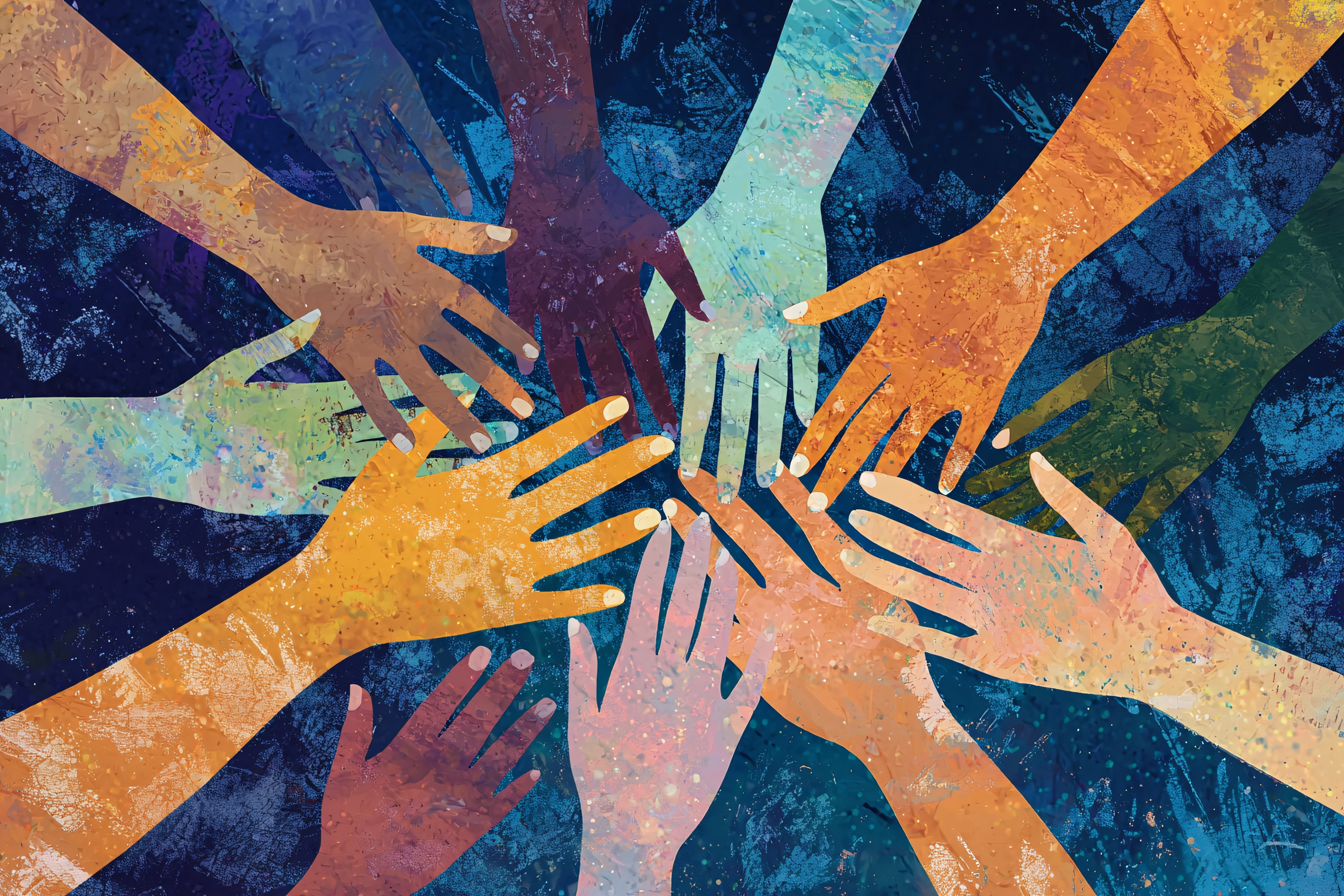
I AM A COLLECTIVIST! In a world that often celebrates individual achievement and personal success, the value of collectivism can sometimes be overlooked. Yet, collectivism—the principle of prioritizing the group over the individual—offers a powerful framework for fostering unity, resilience, and shared prosperity within communities.
Collectivism is a social philosophy that emphasizes the importance of groups—families, communities, organizations, and societies—over individual desires or ambitions. It encourages cooperation, mutual support, and shared responsibility. In collectivist cultures, people see themselves as part of a larger whole, and their identity is deeply connected to their relationships and roles within that group.
The Positive Impact on Communities
Collectivism nurtures a sense of belonging. When individuals prioritize the well-being of their community, they build deeper, more meaningful relationships. This interconnectedness leads to trust, empathy, and a willingness to help one another in times of need.
In collectivist communities, resources—whether time, money, or skills—are often pooled to support those in need. This reduces inequality and ensures that no one is left behind. Whether it’s organizing food drives, community childcare, or neighborhood cleanups, collectivism promotes a culture of giving.
Communities that operate collectively are more resilient during crises. Natural disasters, economic downturns, or public health emergencies are met with coordinated responses, where people come together to support each other rather than fend for themselves.
Collectivism encourages consensus and collaboration. Decisions are made with the input of many, ensuring that diverse perspectives are considered. This leads to more equitable outcomes and a stronger sense of ownership among community members.
Collectivist values help preserve traditions, languages, and customs by emphasizing intergenerational connections and shared heritage. Elders are respected, and cultural practices are passed down with pride and care.
Moving Toward a More Collectivist Mindset
Being a collectivist doesn’t mean abandoning individuality—it means recognizing that personal success is deeply intertwined with the success of others. Here are a few ways to embrace collectivism in everyday life:
- Volunteer your time to local causes.
- Support local businesses and artisans.
- Participate in community events and town halls.
- Mentor or support others in your workplace or neighborhood.
- Practice empathy and active listening in your relationships.
Collectivism is not just a philosophy—it’s a way of life that strengthens the fabric of society. By choosing to uplift others, share resources, and work together, we create communities that are not only more compassionate but also more capable of facing the challenges of the future. In the end, we rise by lifting one another.
Love,
Ally
This story is featured in Pittsburgh Latino Magazine’s September-October 2025 issue.


1 comment
Hi! Loved this article, and we need to be more like this as a society. At the same time we need to nourish positive leaders. I wonder, is there a collectivist leader?