

“I’ve been jamming the bottoms of my doors and windows with blankets just trying to keep the cold out,” a senior widow casually shared with me as I focused on the copies emerging from the printer, “people think I’m crazy, but I don’t know what else to do.”
I had just pulled her Social Security award letter and property tax receipts from the tray—documents she needed for a rent rebate application. But what stayed with me wasn’t the paperwork. It was her quiet resilience in the face of a challenge no Pennsylvanian should have to endure: living in an aging home she could not afford to repair.
Funding ran dry for local home repair programs post-COVID-19, local nonprofits have year-long wait lists for home repairs. Nearly 20,000 people remain on these waitlists for home repairs on their aging homes. Realistically, she was right—what else could she do?
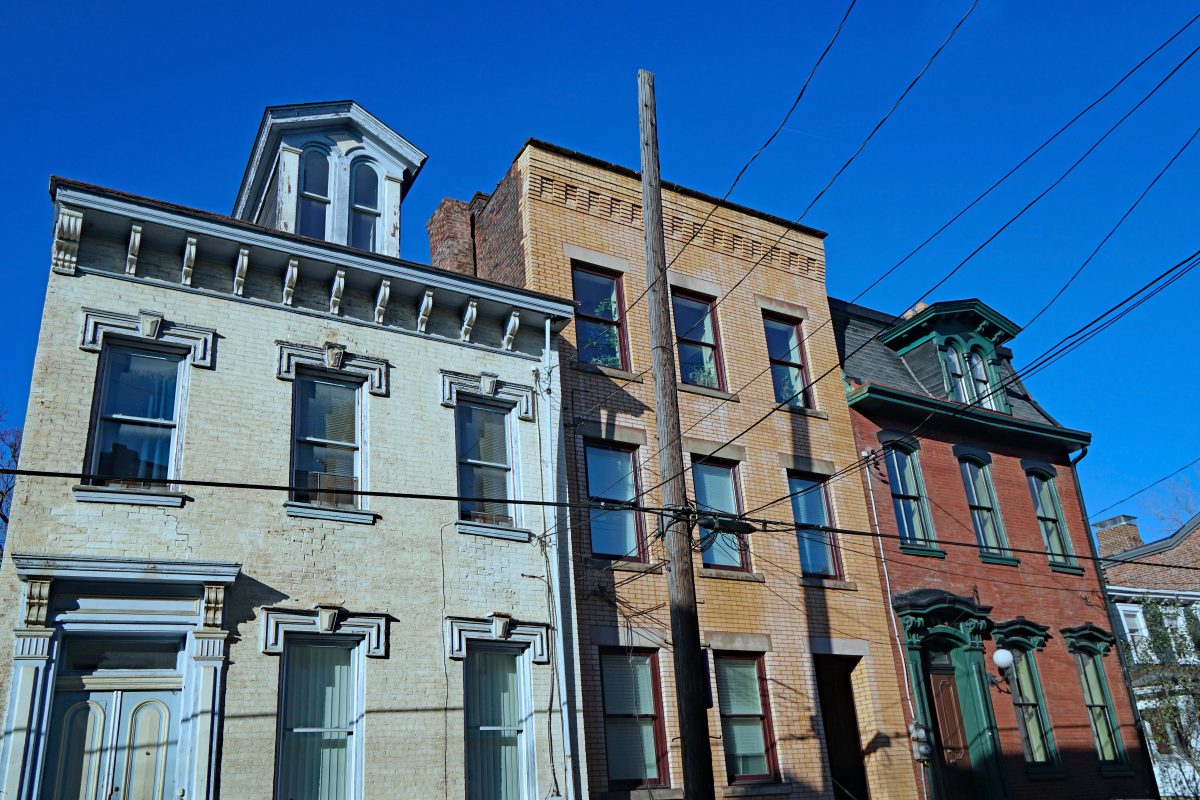
Over 60% of Pennsylvania’s homes were built before 1970, and a quarter of occupied homes—including the home of the woman I spoke with—were built before 1940. Countless homeowners across the state face a dire need for urgent home repairs; but as the cost of living rises and utility bills becoming crushing, our neighbors are being forced to choose between critical home improvements and keeping their electricity, gas, or water for the next month. Simply put, Pennsylvania is facing a housing crisis.

After communicating with my colleagues in the House and partners in the Senate, we proposed the Pennsylvania Home Preservation Program. The legislation is sponsored by state Sens. David Argall (R–Luzerne, Carbon, and Schuylkill) and Nikil Saval (D–Philadelphia) in the Senate and state Reps. including myself, Brandon Markosek (D–Allegheny), and Tim Twardzik (R–Schuylkill) in the House.
This bipartisan, bicameral legislation creates a targeted, statewide program to address the most urgent health and safety issues in aging homes. From roof repairs and porch replacements to energy efficiency improvements and weatherization efforts, the Pennsylvania Home Preservation Program redirects the resources available to those in urgent need.
By helping working families stay in their homes, we’re not just preventing displacement—we’re investing in the long-term stability and vitality of our communities. A stable, state-scaled home repairs initiative offers a promising solution to foster generational wealth, public safety and health, and overall cohesive community character.
While Gov. Josh Shapiro proposed a $50-million investment to create a statewide housing repair program in his February 2025 budget address, the budget impasse has left the future of the Pennsylvania Home Preservation Program in limbo. As Senate Republicans continue refusing to strike a budget deal, my office continues to receive calls from people asking where they can sign up for the Pennsylvania Home Preservation Program.

This wait is unacceptable. Every day of inaction means more families slipping deeper into crisis, more homes deteriorating beyond repair, and more Pennsylvanians facing the impossible choice between safety and survival.
Pennsylvania residents deserve safe, stable, and secure housing. People like the woman I spoke to last winter should never have to barricade their home for the sake of feeling warm and comfortable in the space they have owned for decades. The time to act is now.
State Representative Lindsay Powell is a Democrat representing the 21st District, consisting of parts of Pittsburgh, as well as Reserve and Shaler Townships, Etna, and Millvale in the Pennsylvania House of Representatives


