


Dr. Diego Chaves-Gnecco, MD, MPH, FAAP
Enjoying your garden, strolling in the park, or spending long hours communing with nature can be an incredible experience. Yet, what should be a relaxing moment can become a very uncomfortable situation and even end up requiring a visit to the doctor or the emergency room. To avoid this, it’s important to learn how to identify plants like Poison Ivy and Poison Oak, which can cause your skin to react to the plant’s oils with a serious allergic reaction.
What is Poison Ivy or Poison Oak?
These names are the skin reactions produced by contact with certain plants are known. It is common in children, young people, and adults who spend time out of doors. After touching these plants, the affected person tends to develop a skin rash that causes very intense itching, burning and, in many cases, inflammation.
The reaction can be mild, but it can also become quite severe. In addition to reddening and pain, excessive scratching can cause secondary infections. If the rash extends to sensitive areas like the face, eyes, or genitals, complications can be even greater.
Where are these plants found?
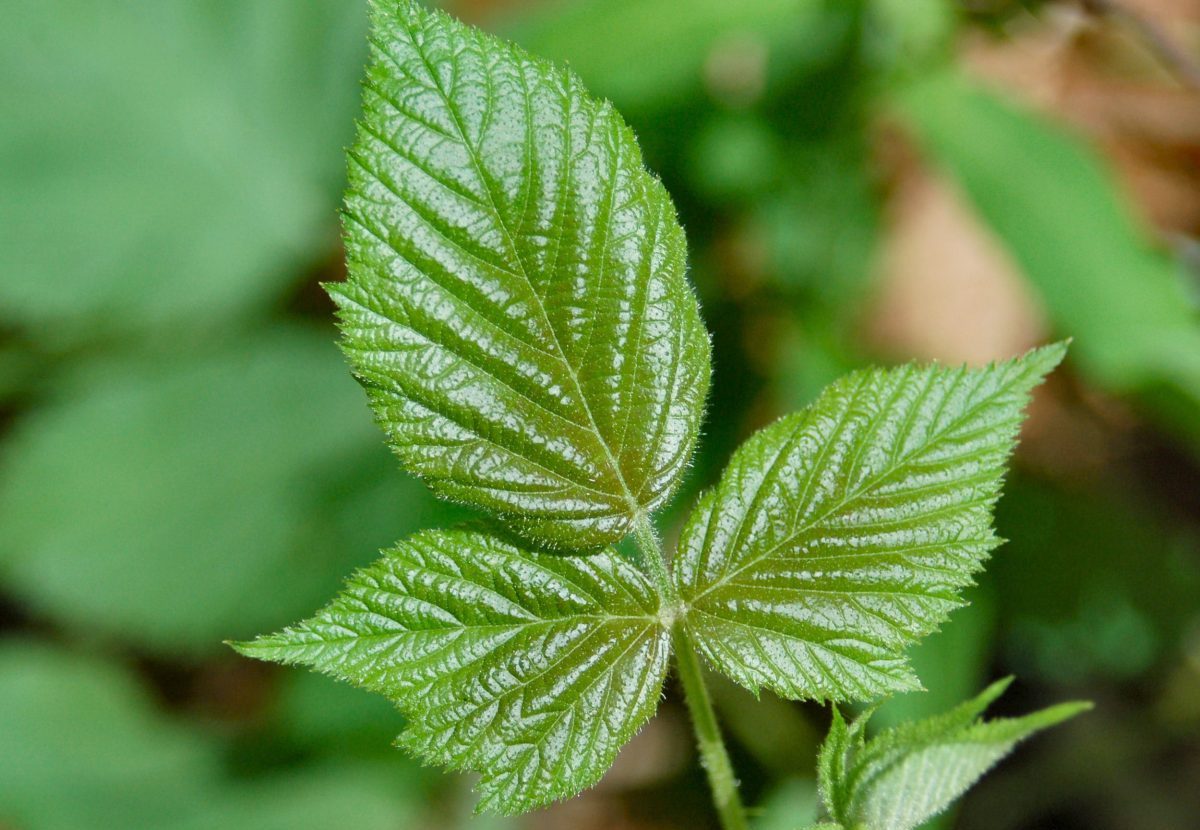
Poison Ivy and Poison Oak and sumac grow in most of the United States, especially in the northeast, including in Pennsylvania and Ohio. They can look like weeds, grasses, or small trees, and are usually in clusters. It size can vary from between about 6 inches to 30 inches, although poison ivy can also climb walls and tree trunks, forming “fuzzy” climbing vines that are easy to confuse with non-toxic plants.
The oil secreted by the reaction
The problem is due to an oil produced by these plants. It is called urushiol, and it can easily stick to skin, clothing, shoes, tools, and even to pet fur. Between 50% and 70% of people are allergic to this oil, but even those who initially don’t react can develop sensitivity after repeated exposure.
Frequently the rash does not appear till 48 hours after contact. In addition, although people believe that the reaction is contagious, the truth is that what propagates it is the oil that remains on the skin, clothing, or objects. That’s why upon scratching or touching the affected area and then other areas of their bodies, the victims, themselves, can cause the rash to spread.
Similar plants in Latin America
One can find plants that cause similar reactions in Latin America, too. They names vary by region and can include: ortiga, ortega, nigua, pica-pica, urtica, urticácea, pringamoza or chichicaste, among others. Despite the fact they are different species, preventive recommendations and treatments are similar.
What to do to avoid poison ivy or poison oak?
- Avoid spending time among weeds and shrubbery. You can have a good time in parks and gardens without coming into contact with these types of plants.
- Learn to identify poison ivy, poison oak, and poison sumac. Save images of these plants at home where they can be seen, places like the kitchen (on the refrigerator) or dining room.
- Make sure that all family members, especially children, know of the existence of these plants and the risk they represent.
- If someone in the family has been among weeds and bushes and thinks they may have come into contact with these plants, be sure that their clothing, including their shoes, do not come into contact with anyone’s skin. Immediately wash them with hot water and use gloves upon doing so. The person who believes to have come into contact with these plants must change clothes immediately, bathe, or wash the area that may have had the contact. Upon doing this, care should be taken to not spread the contaminated area even more.
- Avoid contact not only with people, but also with pets like dogs and cats who may be contaminated with the oil from these plants.
- If you must work in the garden or among weeds or bushes, be sure to use clothing that completely covers all exposed parts of your body: long pants, boots, covered shoes, long sleeves, gloves and/or a protective mask that covers your face and eye.
- If you were doing gardening, be sure to wash all the tools very well.
- Always use gloves when washing the tools.
- Avoid burning plants like poison ivy, oak, and sumac because the oil can become airborne in the smoke.
- If you believe you have been in contact with the oils of these plants, vigorously and immediately wash the affected area with lots of soap and water.
What to do if you have a poison ivy or poison oak?
- If any skin symptom presents itself after earlier mentioned type of contacts, avoid scratching yourself, since that can spread the oil or liquid, which will increase the size of the area affected.
- Avoid scratching, which also helps prevent infections caused by bacteria that are frequently found under fingernails.
- You may use some medications that are available in pharmacies to relieve the itching or irritation. Included among them are calamine lotion, antihistamines such as Diphenhydramine (known as Benadryl, commercially, and recommended only for children above 6 years of age) and oatmeal powder.
When should I go to the doctor?
- If you have a fever.
- If the outbreak, skin eruption, or rash covers large areas of your body.
- If the outbreak, skin eruption, or rash is threatening areas like your eyes, mouth, or genitals.
- If the outbreak, skin eruption, or rash presents pus.
- If the outbreak, skin eruption, or rash does not improve in a few days.
This story is featured in Pittsburgh Latino Magazine’s September-October 2025 issue.
Translation by Kenya C. Dworkin y Méndez


