

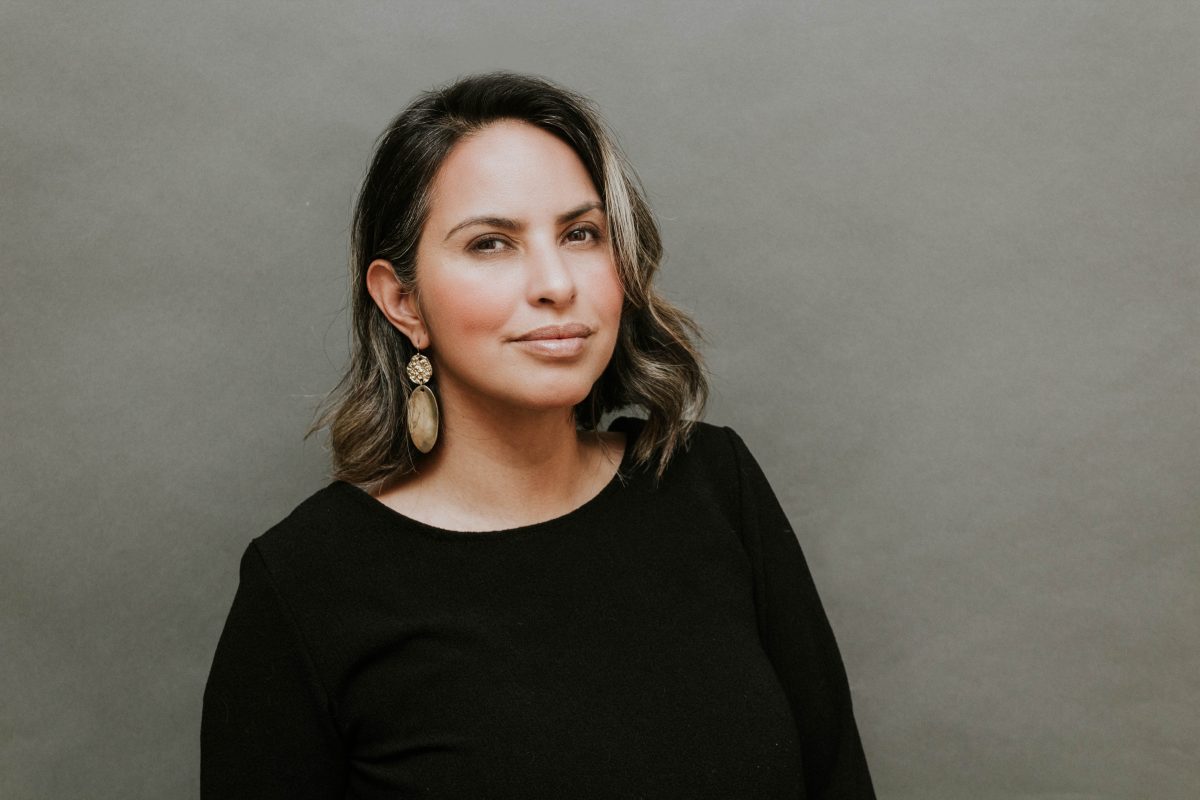

Carolina Mojica
To be a migrant woman—or the daughter of migrants—is to learn how to grow roots while in motion, carrying history in the heart while building the future step by step.
Speaking about March 8th should not be limited to a date or a slogan. Women’s History Month opens a wider space to acknowledge women through an understanding of their strength, influence, and transformative role in our communities.
Historically, women have been roots. Roots that sustain families, cultures, and communities. Roots that pass on values, identity, and a sense of belonging. In the Latino experience, this root is often deeply connected to memory, family history, and a way of loving expressed through care, teaching, and perseverance.
But women are not only roots. They are also movement. Movement that drives change, opens paths, and adapts without losing essence. Women who migrate, build businesses, lead, create, and educate. Women who honor their history without remaining anchored to it.

March/April 2026
This is a feminism that does not seek confrontation, but construction. One that is not defined by opposition, but by conviction. A feminism that affirms women’s dignity while embracing dialogue, collaboration, and conscious leadership.
Beyond March 8th, the invitation is to see women as a meeting point between strength and evolution. As individuals who know where they come from and where they are going. As a force that does not need to raise its voice to be heard, because its impact is evident in the lives it transforms.
To celebrate women from this place is to honor their active presence in history—not as victims of circumstance, but as protagonists of their time.


