


Carolina Mojica
There is a time of year when everything seems to invite us to slow down, yet paradoxically, we end up rushing more than ever. Stores fill with decorations, our calendars with commitments, and our minds with endless to-do lists. Between preparing Thanksgiving dinner, choosing Christmas gifts, and organizing family gatherings, we can easily forget what we originally set out to celebrate.
The arrival of November and December stirs up particular emotions. For those of us who have left our countries of origin, this time of year often carries an even deeper meaning. The aromas of familiar dishes transport us back to childhood, a song brings back memories of a family celebration, and a cherished recipe becomes a way of bridging the distance.
Traditions live on in the hearts of those who keep them alive. Yet these celebrations can also bring nostalgia for loved ones who are far away or no longer with us, as well as the exhaustion of trying to make everything perfect.
One of the greatest challenges of this season is reconciling our expectations with reality. We often measure the success of our celebrations by the abundance of food on the table, the gifts, or the decorations. But in our efforts to create memorable moments, how often do we end up so exhausted that we can barely enjoy them? Perfection can take the place that joy should occupy.
Perhaps it is time to remember that a meaningful celebration does not have to be perfect; it needs to be authentic. Thanksgiving invites us to recognize that, even amid life’s difficulties, there are reasons to be grateful: a friendship, a shared meal, or the opportunity to begin again.
And when December arrives, with its lights and gatherings, we can choose a different way to celebrate: preparing that recipe our mother or grandmother taught us, even if it doesn’t turn out quite the same; sharing our traditions with friends from other cultures and allowing theirs to enrich our own; or giving something as simple as a handwritten letter, an unhurried afternoon, or a conversation in which we truly listen.
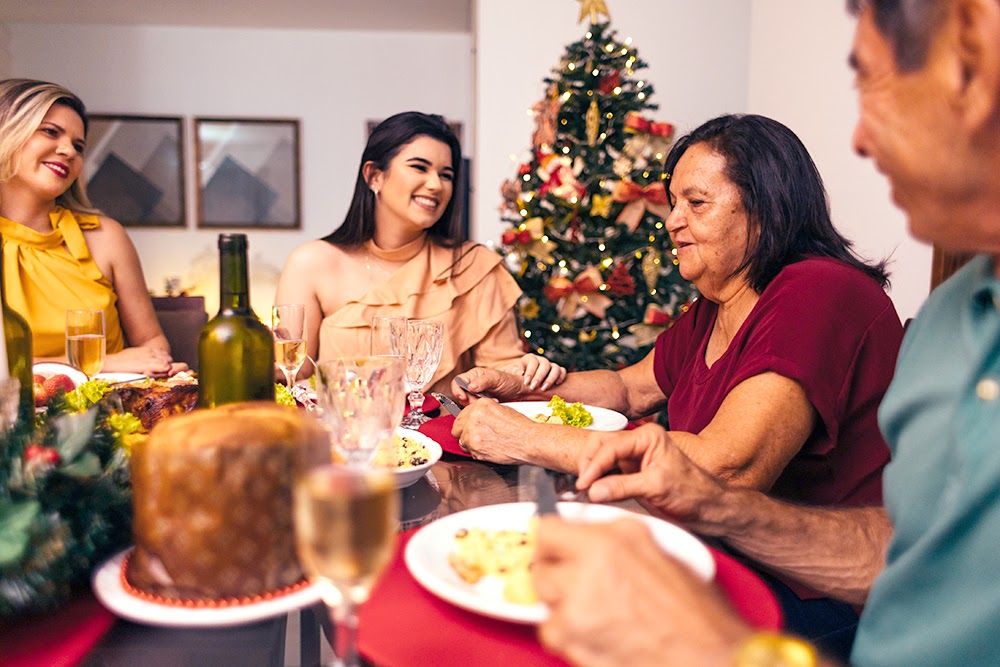
For those of us who live between cultures, creating new traditions does not mean giving up the old ones. We can embrace Thanksgiving as part of our celebrations while continuing to prepare the dishes that remind us where we come from. We can gather around a table where different languages, flavors, and customs coexist, discovering that our identity can find new ways to express itself.
That may be one of the most beautiful gifts of the immigrant experience: learning that home is not always a geographical place. Sometimes, it is a recipe, a familiar voice on the other end of the phone, an unexpected friendship, or a table where someone makes us feel welcome.
As the year draws to a close, we can give ourselves permission to rest, acknowledge our efforts, and accept that not every goal was achieved. We do not have to accomplish everything to recognize how far we have come. Before filling our calendars once again, it is worth asking ourselves: What do I want the people who celebrate these holidays with me to remember? They probably won’t remember the price of the gifts or the decorations, but rather how they felt in our company.
Because, in the end, the most valuable gift we can offer those we love is not something we buy, but the chance to be truly present for one another.

This article was featured in the November/December 2026 edition of Pittsburgh Latino Magazine. Click here to view it and share it! Send us your thoughts at hola@pitlatinomag.com

