

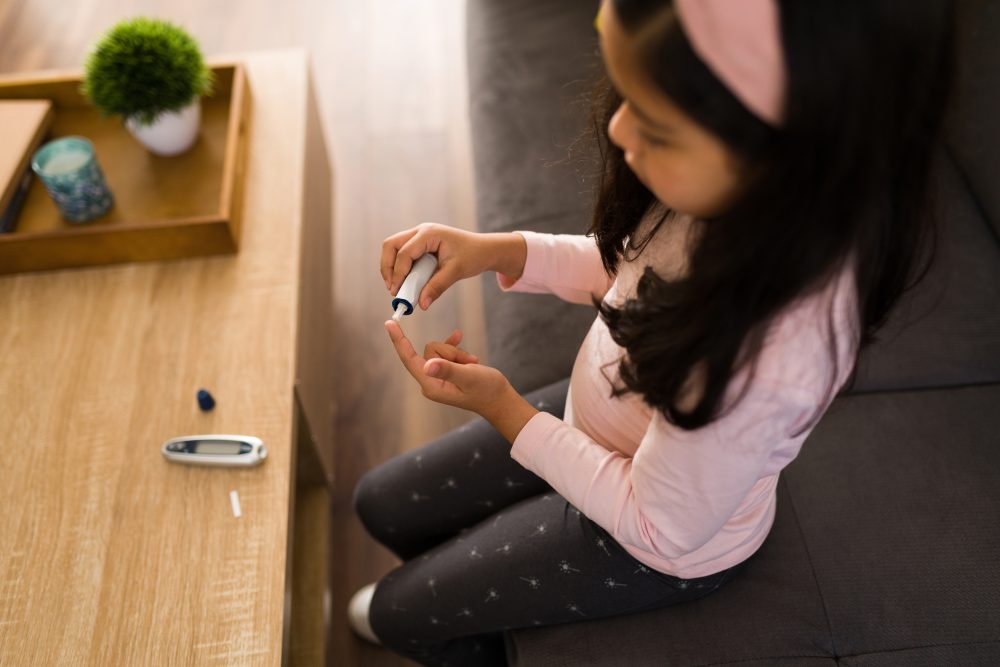
A health condition that once occurred only in older adults, type 2 diabetes is now increasingly common in children worldwide. Fortunately, it can be prevented and treated safely. Below are some key ways to recognize risk, prevent or slow progression, and to treat type 2 diabetes in children.
What is Diabetes?
There are actually multiple different types of diabetes. While different types of diabetes have different causes, they all lead to high levels of sugar, or “glucose,” in the blood. This high sugar can cause damage throughout the body, including to eyes, kidneys, nerves, and blood vessels. The most common type of diabetes in young children is type 1 diabetes, which happens when the body’s immune system attacks the pancreas, the organ that makes insulin, a hormone that helps keep blood sugar in check. However, in teenagers, mainly those with excess body weight and particularly those who identify as Hispanic or Black, type 2 diabetes may be even more common than type 1 diabetes. In type 2 diabetes, the body stops responding to insulin as well as it used to, and the pancreas initially makes extra insulin to compensate. Eventually, the pancreas fails to make enough insulin to keep sugars in the normal range. This process often starts years before a child is diagnosed with diabetes.
How is Diabetes Treated?
High sugar can be treated with under the skin shots of a medicine called insulin, a hormone that helps glucose be used by the body. However, in type 2 diabetes, other medicines are often used instead of or in addition to insulin. These include pills such as metformin and a group of recently discovered medicines called sodium-glucose cotransporter-2 (SGLT-2) inhibitors, or injections of glucagon-like peptide-1 receptor agonists (GLP-1). Importantly, in any form of diabetes, living a healthy lifestyle is a major part of treatment. Healthy eating and staying active can make a big difference to blood sugars and health outcomes.

Discovery Study – Childhood Diabetes
How Do I Know If My Child Is At Risk For Type 2 Diabetes?
One of the biggest risk factors for type 2 diabetes in children is having a parent or sibling with type 2 diabetes or a mother with diabetes during the child’s pregnancy. Also, having more body weight for the child’s age, increases the risk, just like it does in adults. One outward sign of insulin resistance is changes to the appearance of skin around the neck, underarms, and inside of elbows, with skin appearing darker and velvety.
Children may notice that they’re feeling thirsty, urinating more frequently or having blurred vision. Rarely, belly pain and vomiting can be warning signs of acid build-up in the blood, which is a medical emergency. If you have any questions about your child’s risk, ask your pediatrician about evaluation and next steps.
What Can I Do To Lower My Child’s Risk For Type 2 Diabetes?
There are many ways to decrease the chances of your child developing type 2 diabetes, beginning with supporting healthy habits at home. Start by stocking up on fruits, vegetables, and other healthy options such as cheese, nuts, and whole grain snacks, while limiting sugary drinks and highly processed snacks. Getting your child involved in food prep can go a long way towards increasing openness to new foods.
Children should aim for 60 minutes of play time physical activity every day, which doesn’t have to be all at once—adding in a 15-minute family walk after dinner is a great place to start. Encouraging children to play outside with friends or join a sports team can help to keep physical activity enjoyable. Also, remember, good sleep is important. Ensuring that your child gets sufficient uninterrupted sleep can have a positive impact on health. Finally, don’t get overwhelmed by trying to make too many big changes at once. Small, sustainable changes are the perfect way to begin your child’s journey toward better health.
Why Is Type 2 Diabetes Becoming More Common In Children?
This is a key question that many doctors and researchers are trying to answer. While we know that many things have changed in our day-to-day lives that make it harder to eat healthy and stay active, there are likely other factors at play.
In the DISCOVERY Study of Risk Factors for Type 2 Diabetes in Youth, researchers at UPMC Children’s Hospital of Pittsburgh and across the country are learning what makes certain children go on to develop type 2 diabetes while others don’t. For more information, including to share your interest in participating in the study, please visit https://redcap.link/DISCOVERY-screener.


