

Caelin Grambau
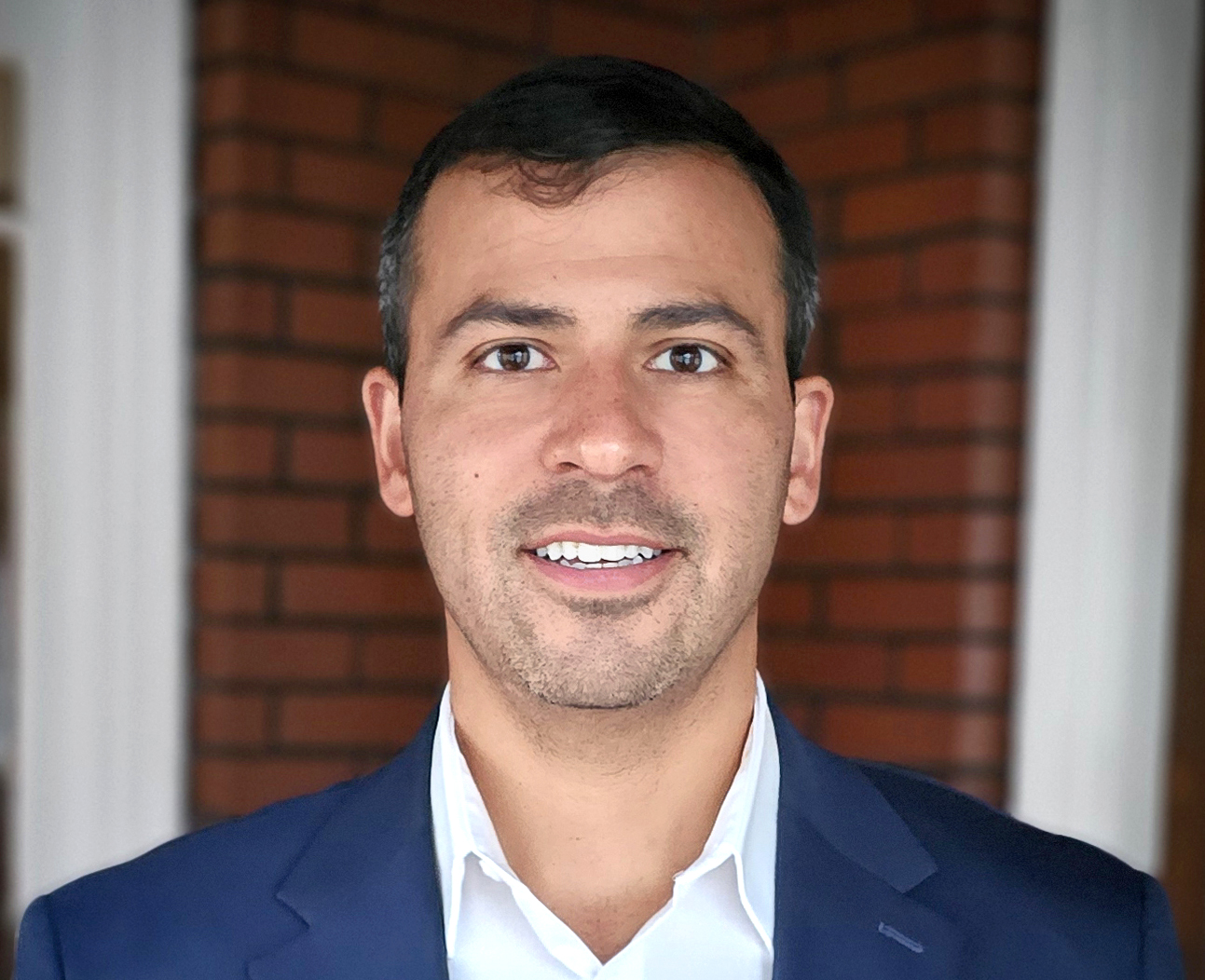
Join us in conversation with Etna Mayor Robert Tuñón, as he discusses his Latino heritage, his journey to becoming Mayor, and his hopes for the future of the Latino communities in and around Pittsburgh. The borough of Etna is located in Allegheny County across the Allegheny River from Pittsburgh.
Mayor Tuñón, how and when did you come to Pittsburgh?
I’m a Pittsburgh native. My father immigrated to the United States with his mother, my grandmother, who grew up very poor in Panama. She raised my dad back in Panama but she was very smart so she got a scholarship to the University of Puerto Rico and [eventually] she became a professor at Cornell.
After that journey, she was able to bring my dad, who was living with his grandparents in Panama, to the United States; and my dad’s dream was to work on the Panama Canal as an engineer. He pursued that dream, and by the time he was a licensed engineer he got involved with Westinghouse, which has a large footprint in Pittsburgh.
Tell me about your Latino background. Does it influence your work?
Being a native English speaker and an American I’ve always felt that this is my home, but having most of my family in Panama and having a strong connection there, I’ve always felt like that is also my home. In my first couple of months as mayor one of the things that my eyes have been opened to is how many immigrant families we have in Etna, and I’ve used my position, which is really not one of power but one of connection, to connect those individuals with others that can help them. The thing that makes me proudest when I think about how I’m using this position is [using it] as one that can help people, because I would have wanted that for my grandmother and for my father.

What led you to seek the Etna mayor position?
As I got involved in community service here, I got familiar with the people who have been serving for thirty to forty years, and one of them was Mayor Tom Rengers. He became a mentor to me during that early time period of driving positive change in the community, and doing so in a way where people don’t get left behind. At some point in that time period Tom got sick –he was battling cancer for many years– but he never stopped working or serving. Somewhere along that journey he came to me and
said, “I’m not sure if you would like to run for Mayor, but I think you’d be a great fit” and that’s stuck with me. When the position became open because he passed, I felt both the responsibility and the opportunity to continue the type of leader that he was for his term.
What are your future plans for Etna?
We’ve been working on developing a public library in Etna. The library as a concept has evolved quite a bit, but the number one thing that it is is an indoor public space that is staffed and funded and provides resources to the community. In the first week of July we are starting construction. In terms of public service, this is what it’s all been about, creating a place for people. A physical, long-lasting place that lives far beyond us is the kind of transformation that I knew Mayor Rengers wanted to see, and we’ve been able to achieve it.
What would you say to the local Latino community? What impact do you think Latinos can have in the region?
When we are connected, we will be much more powerful. When I was growing up we were too few, too small. We didn’t have the organizations to represent us or [people] to tell our stories so I’m just really thrilled to believe that our community is being better served and I know that it will continue to be.
What would you say to Latinos that are moving to Pittsburgh?
Any tips or recommendations for them?
My advice would be to never hide who you are, to never let go of where you came from, to never conceal your cultural identity, and to always celebrate and lift up those around you. I will always advocate to raise your children in a way that keeps them connected to their identity, their heritage, and their culture. And that when you feel the pressures of our country and our society, do not let those pressures change you.
This article was originally published in our summer 2024 print magazine.


